3 min read
Our Series B, and what it pays for
Pilot has raised $70 million to build Autopilot and open offices in New York and London. Where the money goes, what won't change, and what we're hiring for next.
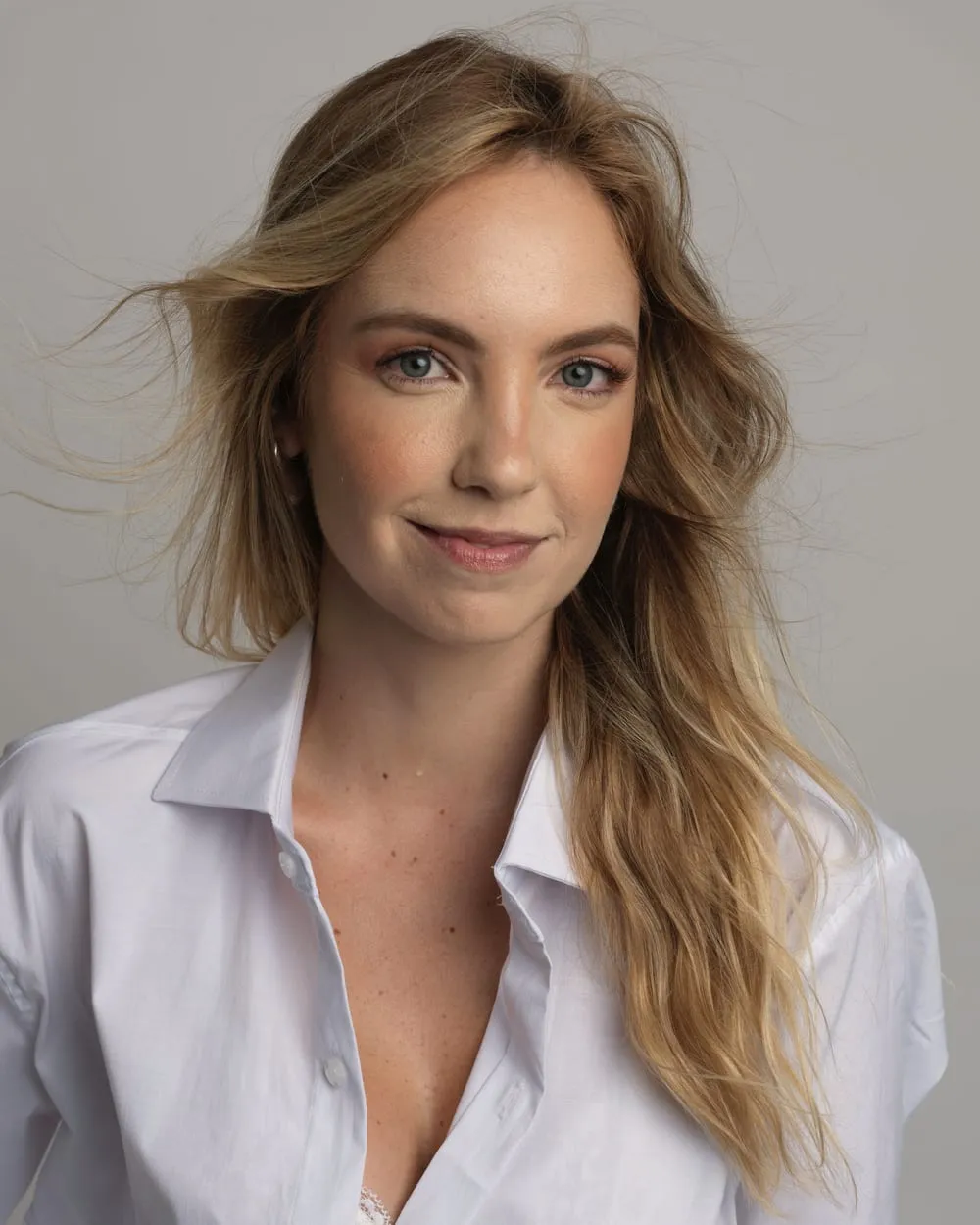
Nora LindgrenCo-founder and CEO
On this page
Today we’re announcing a $70 million Series B. It’s the largest amount we’ve raised by a wide margin, and I want to explain plainly what it’s for, because the people who use Pilot every day deserve to know what changes and what doesn’t.
Where we are
Daniel and I started Pilot in Stockholm in 2023, with twelve analysts as our first users and one rule: find the source first, write second. Three years later, 14,000 teams use Pilot to research, write and publish, in 38 languages.
We’ve grown carefully. We’re 120 people in 19 countries, and we’ve been close to break-even for most of the past year. We didn’t need to raise. We chose to, because the next things we want to build are bigger than we can fund from revenue alone.
What the money is for
Most of it goes into three areas.
Autopilot. Our customers have a lot of writing that repeats: weekly reports, account briefs, monthly updates. Autopilot agents will take that work on, from sources the team chooses, with a person approving what gets sent. It’s the hardest thing we’ve built, because an agent that runs unattended has to be more reliable than one you’re watching. About half of the new engineering hires will work on it.
Answer quality. Elise’s research team will double in size. Their job is to measure whether Pilot is right, publish what they find, and push the rest of the company to fix the gaps. We’ll keep publishing those numbers every quarter.
Being closer to customers. We’re opening offices in New York and London this summer. Many of our largest customers are in both cities, and some conversations go better in person, especially about security and rollout.
What won’t change
Growth changes companies, so here are the things we’ve committed to keep, in writing, with our board:
- We will never train on customer content, on any plan.
- Every answer will show its sources.
- The free plan stays, with the same limits it has today.
- Stockholm remains our headquarters and the home of the research team.
Oskar wrote about the first of these in more detail in Why we will never train on your documents.
Who invested
The round was led by an investor who has backed several of the developer tools we use ourselves, with our existing investors taking part. We chose them because they asked more questions about our evaluation process than about our growth rate. That told us what they’d care about in hard quarters.
What we’re hiring for
We’re hiring about forty people this year. The roles we most want to fill:
| Team | Roles | Location |
|---|---|---|
| Engineering | Autopilot, retrieval, infrastructure | Stockholm, London, remote in Europe |
| Research | Evaluation, linguistics | Stockholm |
| Customer success | Enterprise onboarding | New York, London |
| Design | Product design, editor | Stockholm, remote in Europe |
If you’ve read this far and any of that sounds like your kind of work, look at our open roles. We read every application, and we reply to every one.
Thank you
To every team that took a chance on a small Swedish company with strong opinions about citations: thank you. You’ve told us what was wrong, often and in detail, and the product is better for it.
The next chapter is about writing that happens while you’re doing something else. We’ll build it the way we’ve built everything so far, carefully, and with the sources showing.
Written by
Nora Lindgren
Co-founder and CEO
Ran research at a policy institute for eight years and wrote most of it at 2am.